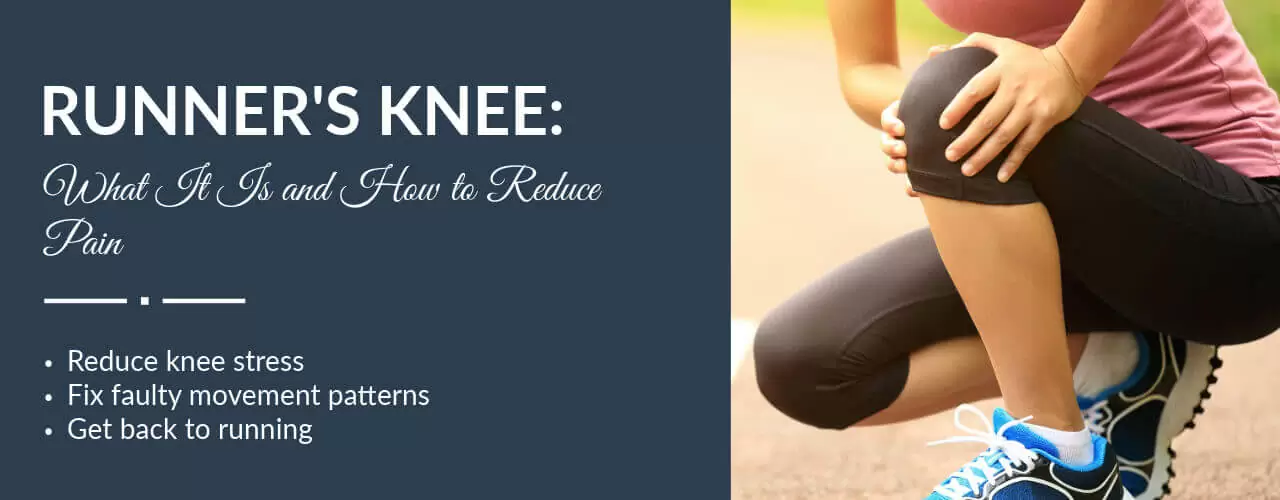
Patellofemoral pain can be a frustrating and persistent issue, especially for runners and active individuals. If you’re experiencing dull, aching pain around the front of your knee during activities like walking, squatting, or climbing stairs, it could be patellofemoral pain syndrome (PFPS, more commonly known as runner’s knee). But it’s not something you have to live with!
PFPS is one of the most common causes of knee pain. It can stem from a variety of factors, including muscle imbalances, poor movement patterns, or overuse. At North Austin Physical Therapy, we work to address these factors so you can find lasting relief.
To show you what our process looks like, we want to walk you through one patient’s journey from pain to progress.
From Marathon Prep to Knee Pain: Brittney’s Experience with Patellofemoral Pain Syndrome
Brittney, a 34-year-old recreational runner, had her eyes set on completing her first marathon. But as she ramped up her training mileage, she began feeling aching pain in her right knee. At first, it was just a mild twinge after long runs. Soon, however, it progressed to a sharp discomfort while walking up stairs or sitting at her desk for long periods.
Hoping it would go away on its own, Brittney pushed through. But eventually, the pain became too much, and she reached out to North Austin Physical Therapy for help.
Getting to the Root of Brittney’s Pain
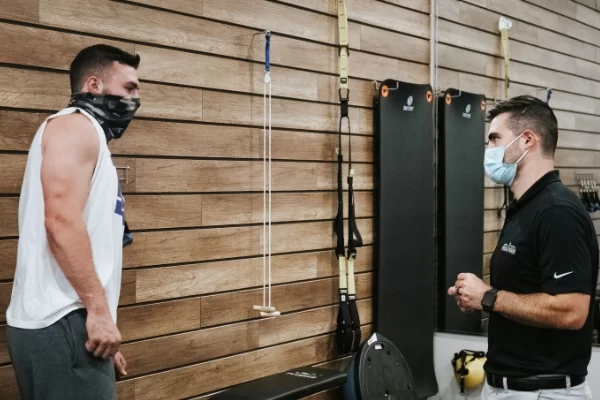
Our first order of business was figuring out why Brittney was experiencing knee pain. After a comprehensive evaluation in which we reviewed her health history, symptoms, and conducted a few simple movement screens, we determined she had developed patellofemoral pain syndrome.
We explained that PFPS occurs when the kneecap (patella) doesn’t move smoothly within the groove of the thigh bone (femur). This can lead to irritation of the surrounding tissues and discomfort around the front of the knee.
However, to treat Brittney’s pain, we needed to figure out what was causing her kneecap’s misalignment. It can stem from several factors, including:
- Muscle imbalances, particularly in the hips and thighs
- Poor movement patterns or alignment during activity
- Weak core or gluteal muscles
- A sudden increase in training intensity
- Inadequate footwear or running for
In Brittney’s case, her physical therapist identified that weak glutes and poor hip stability were causing her knees to rotate inward when she ran, placing excessive pressure on the patella. Her more intense marathon training routine worsened the issue, leading to her symptoms.
A Personalized Approach to Recovery
To treat Brittney’s pain, we designed a comprehensive program focused on correcting the underlying dysfunctions. Our big focus was targeted exercises to address her muscle weaknesses. This included:
- Glute strengthening exercises, like clamshells and bridges, to help improve hip support
- Functional core work, like planks, to enhance total body control
- Controlled movement drills, like step-downs and lunges, to teach Brittney how to keep her knees aligned during motion
However, we also knew it was important for Brittney to know how to move properly. We worked closely with her to retrain her running form, improve posture, and modify her training schedule to avoid overload.
We also taught her:
- Proper warm-ups and cooldowns
- Footwear recommendations
- Gradual return-to-run strategies
- Avoiding common movement compensations
What Were Brittney’s Results?
Within just a few weeks of consistent therapy, Brittney noticed less pain with daily activities. After two months, she was back to running short distances without discomfort. With continued progress, she successfully completed a half-marathon and is on track for her full marathon goal.
Her results highlight how understanding and addressing patellofemoral pain through structured therapy can lead to lasting recovery.
Ready to Move Without Pain?
If you’re dealing with knee discomfort and suspect that patellofemoral pain may be the cause, know that help is available. A customized physical therapy plan targeting strength, movement patterns, and education can significantly affect your recovery.
Contact North Austin Physical Therapy to schedule your appointment at our Leander, TX, and Cedar Park, TX clinic today.
Tags: pain management, joint mechanics, knee alignment, Runner's Knee